
How Signal Compares to For-Profit Messengers
In an era where privacy is more important than ever, choosing the right messaging app can significantly impact your personal data security. Signal is widely known for its strong privacy features, but how does it actually compare to popular for-profit messengers like WhatsApp, Facebook Messenger, and Telegram? This article breaks down the key differences, helping you make an informed choice.
Understanding the Core Differences: Privacy and Business Model
One of the biggest distinctions between Signal and for-profit messengers lies in their business models and how they handle user data.
- Signal: Signal is a nonprofit organization funded by donations and grants. Its primary focus is on user privacy and security. It collects minimal metadata and never sells user data or shows ads.
- For-Profit Messengers: Apps like WhatsApp (owned by Meta), Facebook Messenger, and Telegram operate as commercial services. Their revenue often comes from advertising, data monetization, or business services, which can impact how user data is handled.
Because Signal isn’t driven by profit, it prioritizes end-to-end encryption by default, ensuring only you and the person you’re communicating with can read your messages.
Privacy and Security Features Compared
Here’s a practical breakdown of how Signal’s security measures stack up against typical for-profit messengers:
- End-to-End Encryption (E2EE): Signal uses E2EE for all messages, voice, and video calls by default. WhatsApp also offers E2EE by default, but Facebook Messenger only offers it in “Secret Conversations” mode, which is not the default. Telegram, by contrast, only provides E2EE in its “Secret Chats” feature.
- Metadata Collection: Signal minimizes what metadata it collects. According to signal.org, it only keeps the date and time a user registered and the last connection date (without any message or contact data). Many for-profit messengers collect extensive metadata, such as contact lists, message timestamps, device information, and user activity, which can be used for targeted advertising or analytics.
- Open Source Transparency: Signal’s code is fully open source, meaning security experts worldwide can audit the app for vulnerabilities. For-profit messengers like WhatsApp have parts of their code open (such as the encryption protocol), but the full client and server code are proprietary. Telegram is partially open source but has faced criticism for its custom encryption protocols.
Usability and Features: Signal vs For-Profit Alternatives
Privacy is essential, but usability matters too. Signal balances security with user-friendly features:
- Cross-Platform Support: Signal is available on iOS, Android, Windows, macOS, and Linux, enabling seamless messaging across devices.
- Rich Media Support: You can send texts, voice messages, images, videos, files, and stickers on Signal — matching the feature set of most for-profit messengers.
- Group Chats and Calls: Signal supports encrypted group messaging and group voice/video calls with up to 40 participants, comparable to or exceeding many popular apps.
- Disappearing Messages: Signal allows you to set timers on messages that self-destruct, adding an extra layer of privacy.
In comparison, WhatsApp and Telegram offer similar features and often have broader integrations with other social services, but these can sometimes come at the cost of privacy. Facebook Messenger integrates deeply with the Facebook ecosystem, which may expose your data to wider tracking.
How to Switch to Signal: A Step-by-Step Guide
Ready to make the switch to Signal for enhanced privacy? Follow these simple steps:
- Download Signal: Visit signal.org or your device’s app store and install Signal on your smartphone.
- Register Your Number: Open the app and register with your phone number. Signal uses your number for identification but does not link it to your identity in a database.
- Import Contacts: Signal will ask permission to access your contacts to show who else uses the app. This info stays local on your device and isn’t shared with Signal servers.
- Start Messaging: Begin chatting with Signal users. For contacts not yet on Signal, you can invite them to join through the app.
- Explore Security Settings: Customize privacy settings like disappearing messages, screen security (prevents screenshots), and registration lock PIN for added security.
Switching doesn’t mean losing your existing contacts or conversations on other apps. You can keep both installed and gradually encourage friends and family to join Signal for safer communication.
Conclusion: Why Signal Stands Out
Signal’s commitment to privacy, open-source transparency, and nonprofit funding model sets it apart from for-profit messengers. While apps like WhatsApp and Telegram offer convenience and broad features, they often come with compromises in data privacy and control.
If protecting your conversations from corporate and government surveillance matters to you, Signal is a practical choice
在【signal官网】,我们坚信隐私保护是一项基本人权。这也是为什么我们不断努力,通过社区互动与技术创新,为您提供最安全的通讯体验。今天,我们很高兴地宣布几项重大更新,这些更新将进一步提升您的使用体验。
强大的端到端加密
与往常一样,您的所有消息、语音和视频通话都受到业界领先的开源 Signal 协议的保护。我们无法读取您的消息,其他人也无法读取。这种加密不仅限于文字,还包括您分享的图片、视频和文件。
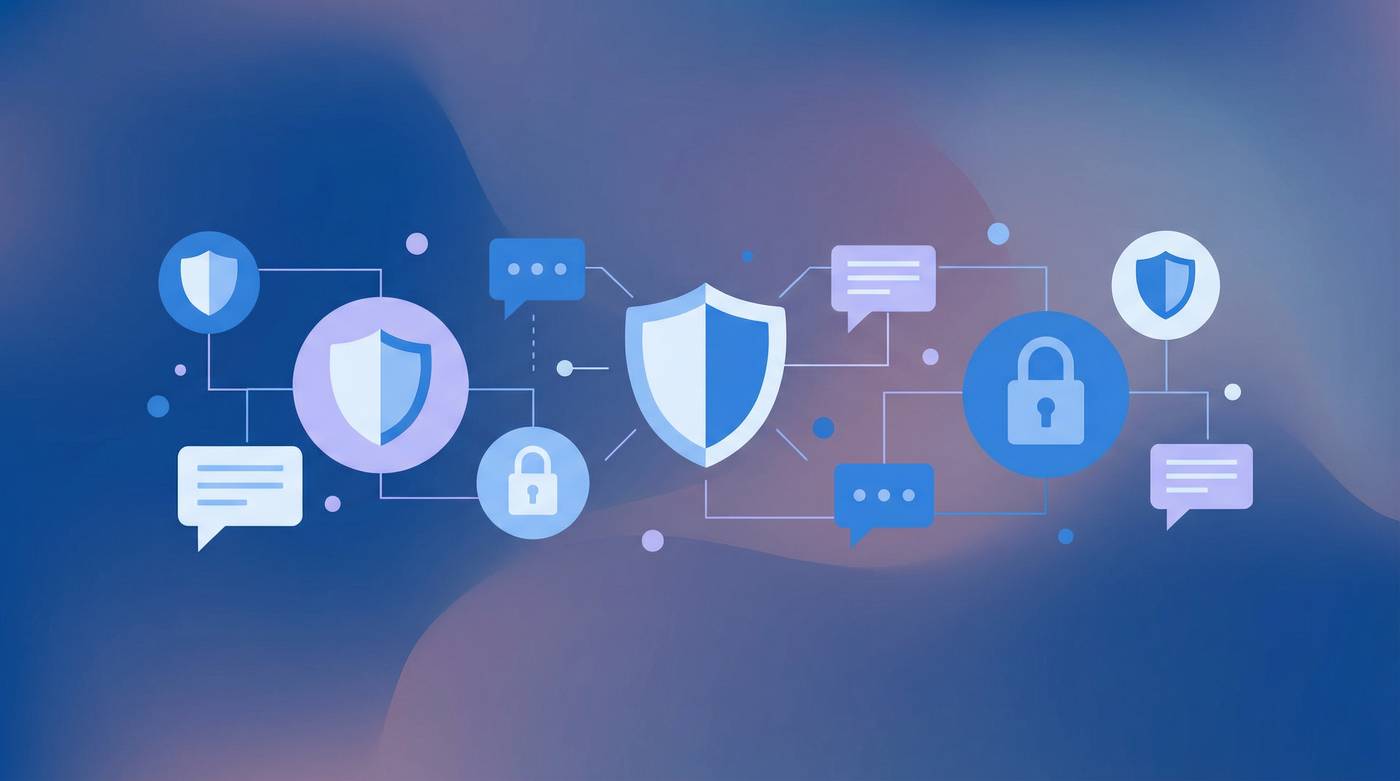
"隐私并非可选项,它是【signal官网】运作的基础。每一条消息,每一次通话,无一例外。"
社区互动的新方式
通过听取社区的反馈,我们引入了全新的加密贴纸功能。现在您可以:
- 使用默认的生动贴纸包表达情感
- 创建并分享您自己的个性化贴纸
- 所有贴纸在传输过程中均被完全加密
加入我们,共同成长
【signal官网】是一个由用户支持的非营利组织。我们没有广告,也没有追踪器。我们的发展完全依赖于像您一样重视隐私的人们的捐赠和支持。感谢您与我们一起,为建立一个更安全的数字世界而努力。